top of page


Stone Crab Quick - Start Guide
This guide is designed to help you get started stone crabbing safely, legally, and effectively.
Stone crabbing is unique — only claws are harvested, and proper handling is critical to keeping the crab alive.
1. Where to Find Stone Crabs
Stone crabs are typically found:
-
Near rocky or reef structure
-
Along bridge pilings and docks
-
In sandy areas adjacent to structure
-
In shallow to moderate depths
2. Setting up your Trap
-
Tag Your Trap - Every OceanBuilt stone crab trap includes a trap identification tag. Using a permanent marker, clearly write your name, address, and trap registration number on the tag before deploying your trap. For step by step, view out tag setup here.
-
Attach Your Trap Line - Secure your trap line to a solid attachment point on the trap. Make sure:
-
Knots are tight and clean
-
The line is free of frays or weak spots
-
Line length accounts for water depth and tide changes
-
-
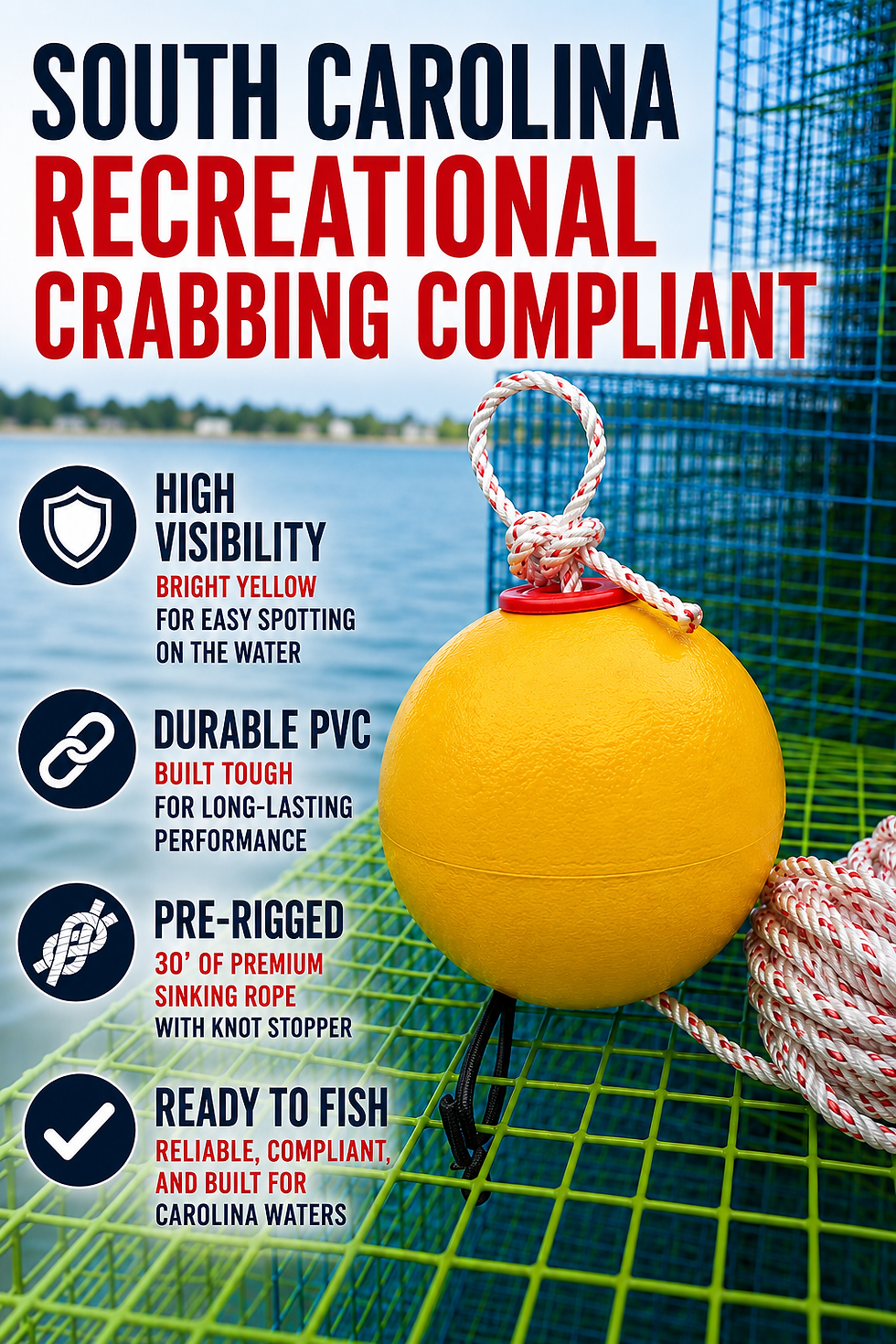
Rig Your Buoy - Attach your buoy to the free end of the trap line and ensure it floats clearly above the surface. Your buoy should:
-
Remain visible in varying conditions
-
Be properly marked if required by regulation
-
Have enough slack to prevent pulling the trap off the bottom during tide changes
-
For a step-by-step walkthrough on rigging your buoy correctly, see our Buoy Setup Guide.
3. Baiting your Trap
Stone crabs are scavengers and are attracted to strong scents. Common bait options include:
-
Fish carcasses or scraps
-
Squid
-
Chicken necks or other meat scraps
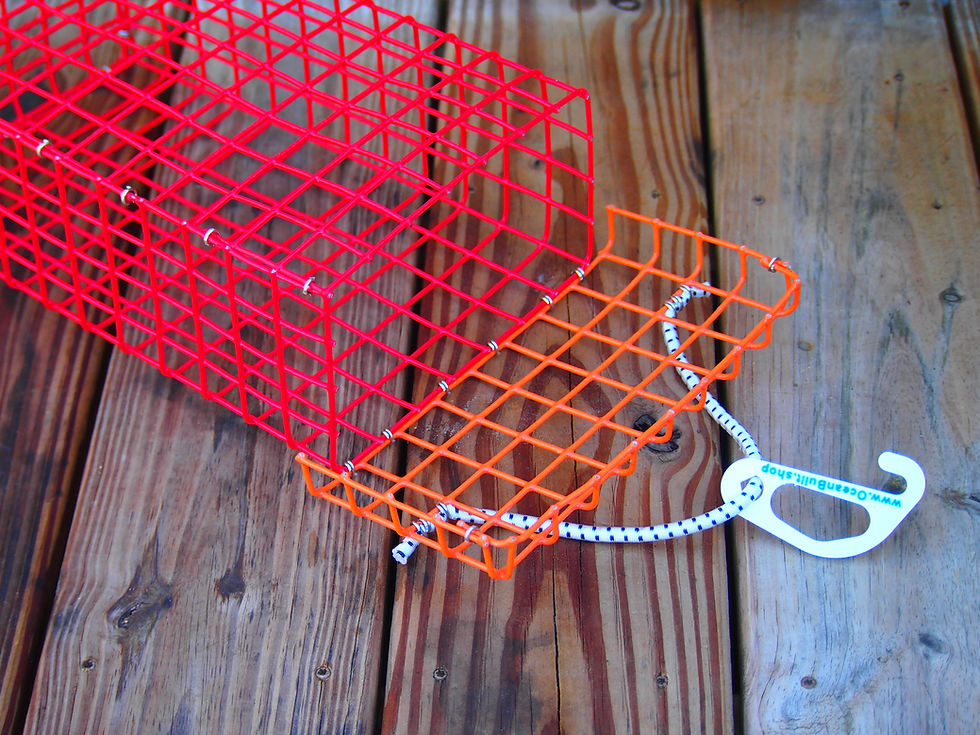
Place bait securely in the bait well to concentrate scent. All OceanBuilt traps come ready with a ridged, full length, quick flip baitwell.
4. Check Your License and Trap Limits before placing traps:
-
Confirm you have the correct recreational license
-
Verify the number of traps allowed per person and per vessel
-
Review seasonal dates and area restrictions
Regulations can change, so always check current rules before heading out.
5. Stone crabs are unique in that only the claws may be harvested. Proper harvesting helps protect the fishery and keeps you compliant.
Size regulations
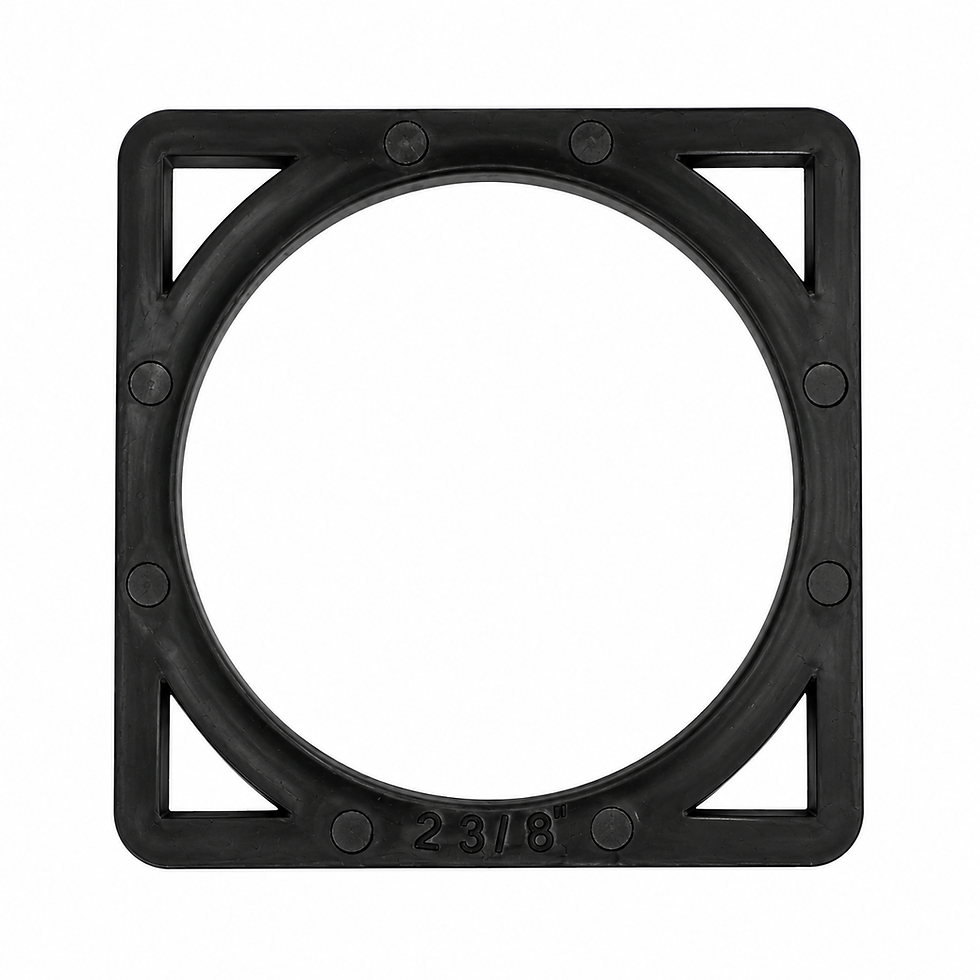
Size Regulations - Only claws that meet the minimum legal size may be kept. Measure every claw carefully before harvest, as even small differences can make a claw illegal.
Read up on how to properly measure stone crab claws here: Stone Crab Measurements
Be sure you have a proper measuring device on your person at all times when actively harvesting to prevent fines.
Get your universal Florida gauge today:
5. Final Check Before Deployment
Before lowering your trap:
-
Confirm bait is secured in the bait well
-
Double-check knots and buoy attachment
-
Make sure your buoy is floating and visible
Taking a few extra minutes at setup helps prevent lost gear, violations, and unnecessary issues on the water.

Keep Your Trap Running Strong
Need replacement parts or looking to expand your setup? We carry compatible repair components and accessories designed specifically for OceanBuilt traps — helping you stay compliant with your state regulations.
Accessories





Repair & Replacment





bottom of page